We’ve added a new photography collection to our digital archive, giving you a close look at a boom era of the Japanese game industry through the eyes of someone who lived it.
The Colin Williamson photography collection comes from a game journalist who was embedded in Japan from 1999 through the mid-2000s. Writing for publications like IGN, Official U.S. PlayStation Magazine, and PC Gamer, Williamson covered events like Tokyo Game Show and the JAMMA Show for arcade games; interviewed notables like designer Hideo Kojima and composer Nobuo Uematsu; and documented game culture in Japan during the heyday of the Sega Dreamcast and the launch of the PlayStation 2.
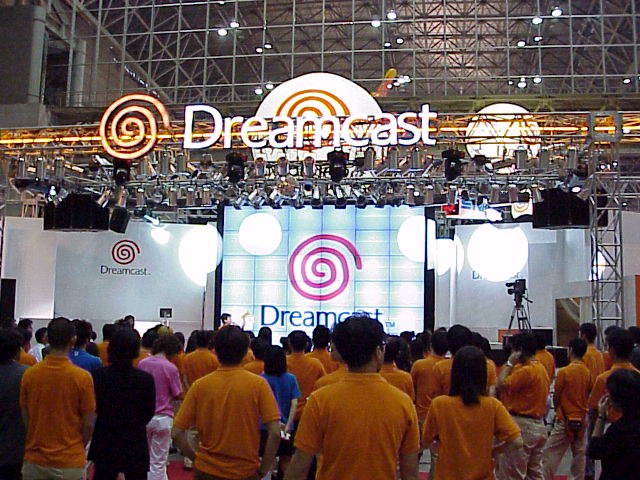
Armed with a digital camera—a new technology in 1999!—Williamson took hundreds of photos, which are now freely accessible in our digital archive.
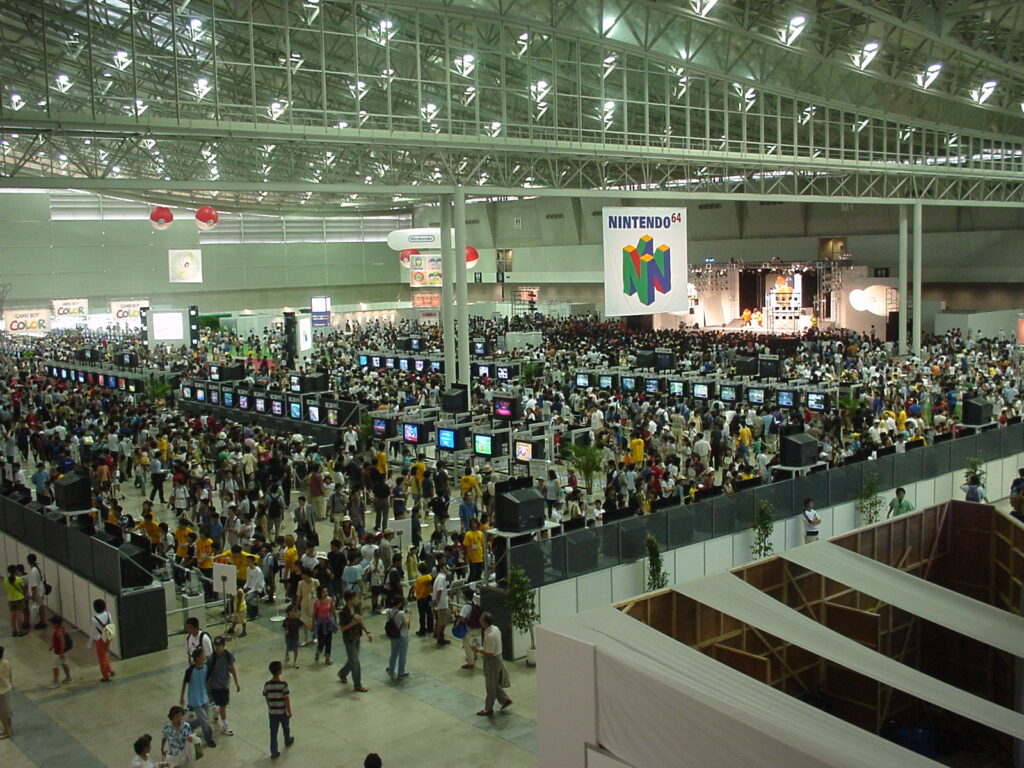
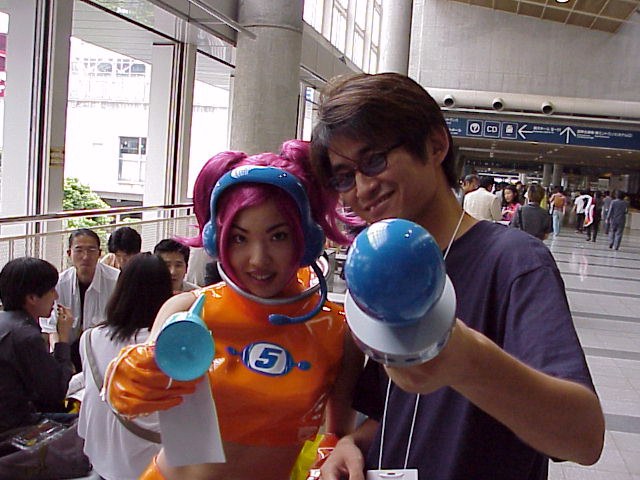
Among the highlights in this new collection is Williamson’s coverage of Tokyo Game Show, the biggest game showcase in Japan. TGS used to run twice a year when Williamson attended in 1999 and 2000, which gave him opportunities to see promotional exhibits for now-iconic games including Shenmue, Space Channel 5, and Gran Turismo 3: A-Spec.
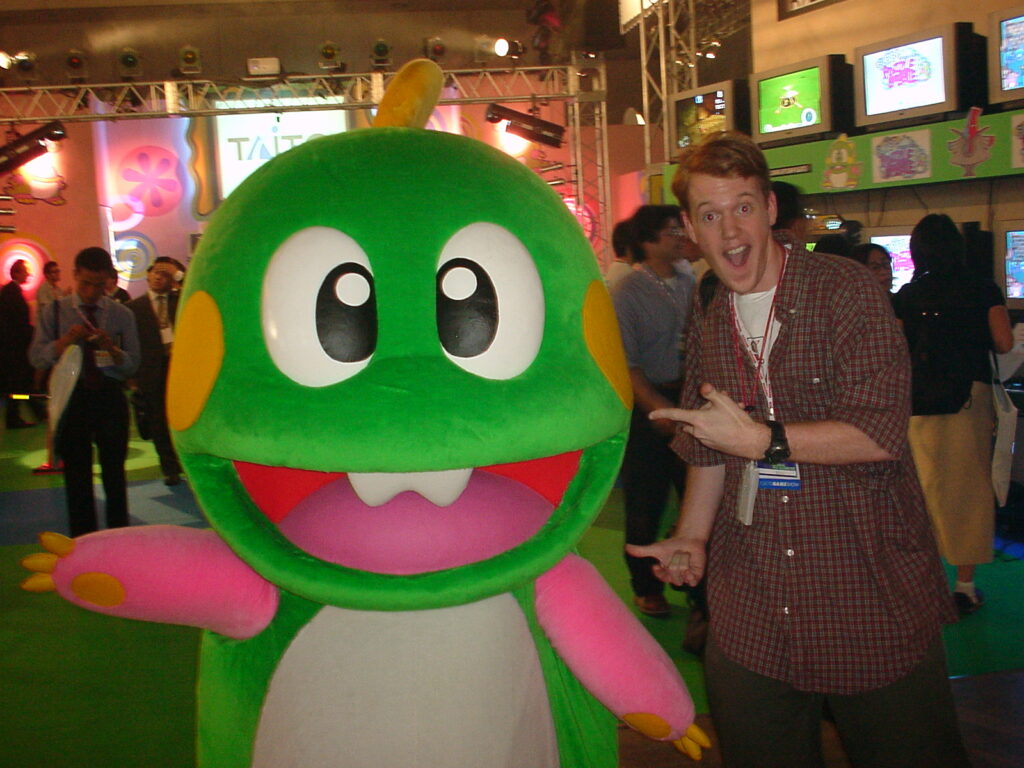
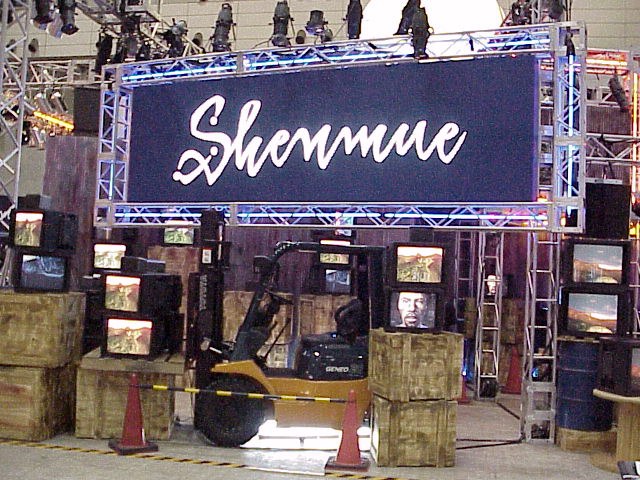
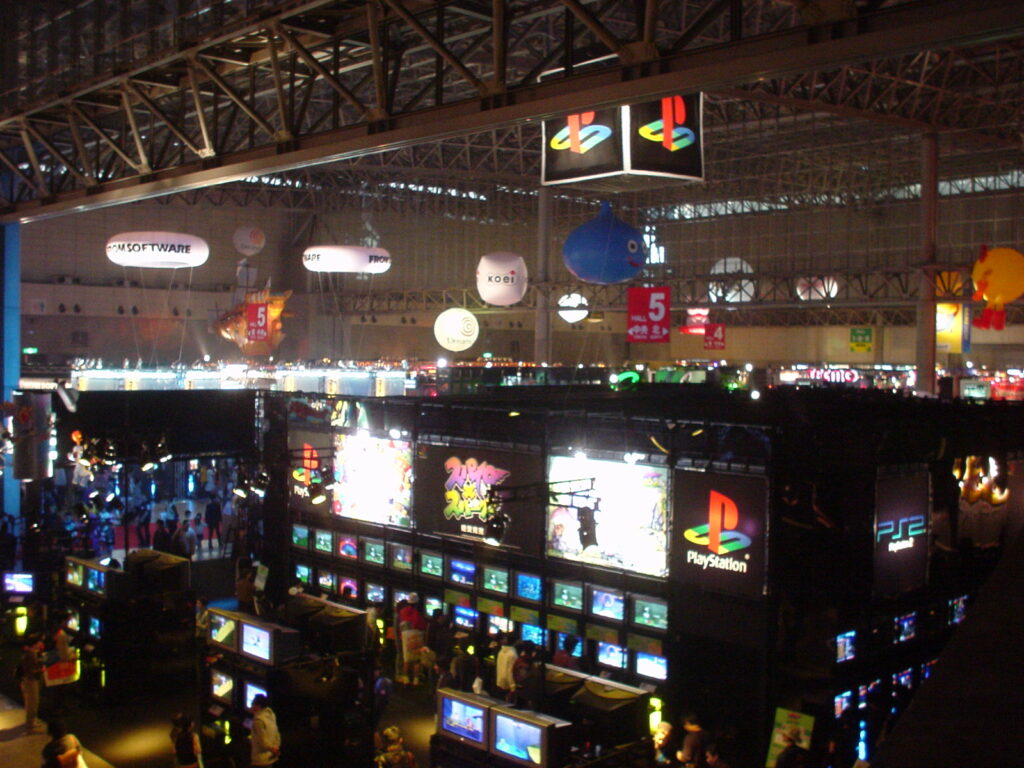
Nintendo fans will also find plenty to love in this collection. Williamson attended Space World 2000, an event run by Nintendo where they showed off their latest products, like the Game Boy Advance and Pokémon Crystal.
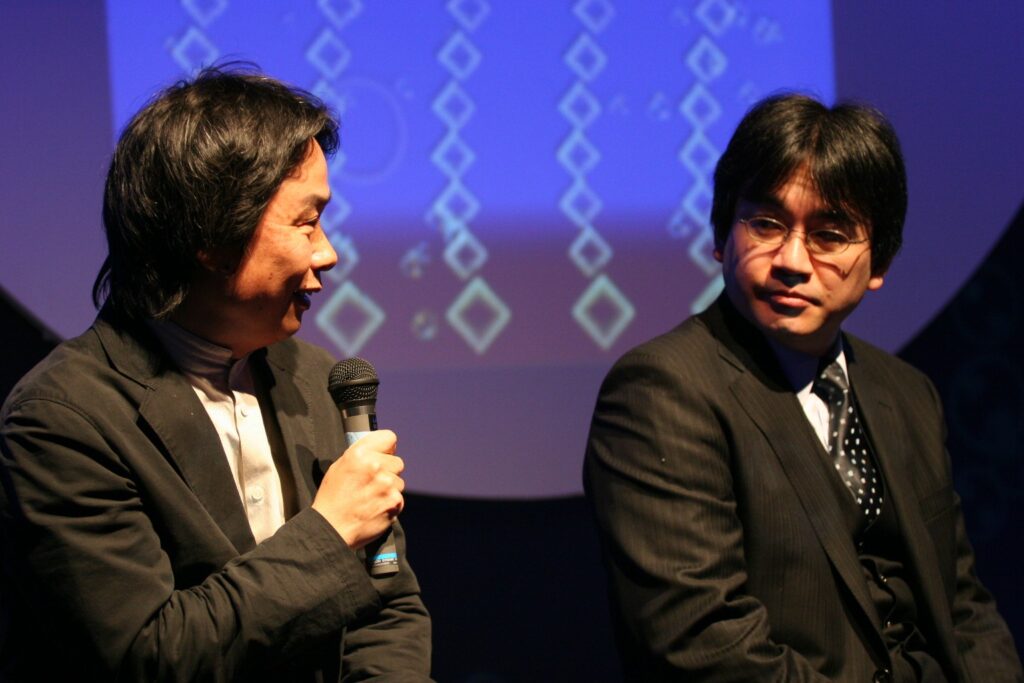
Williamson also covered the launch event for Electroplankton for Nintendo DS in 2005, where Nintendo’s Shigeru Miyamoto and Satoru Iwata joined Electroplankton designer Toshio Iwai for a retrospective of his career.
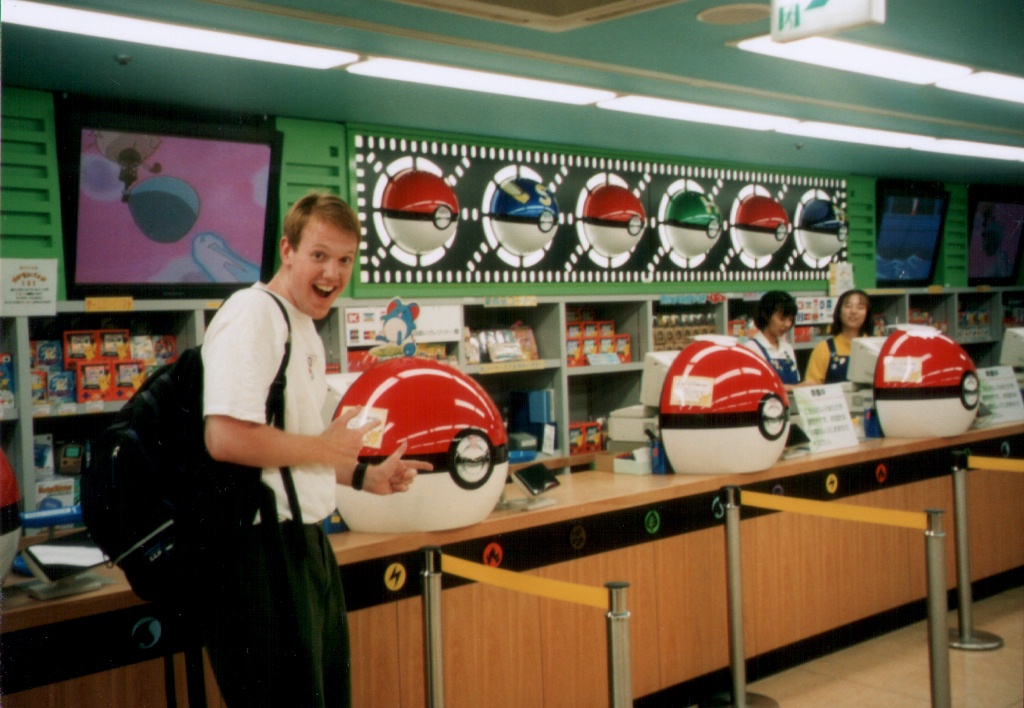
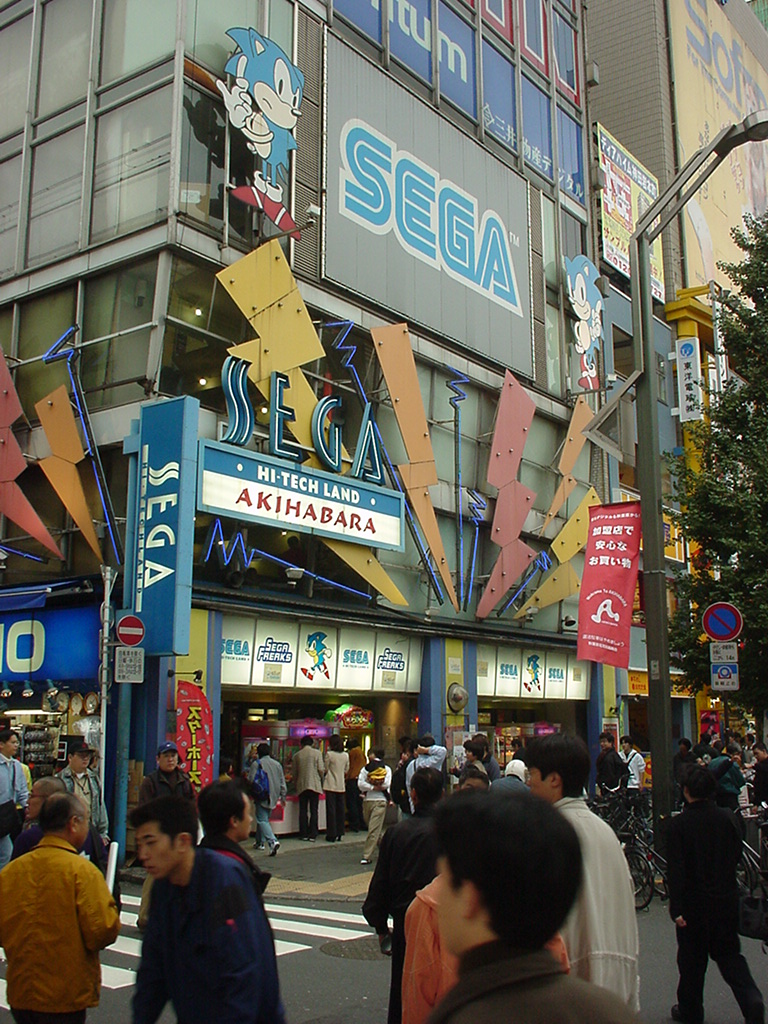
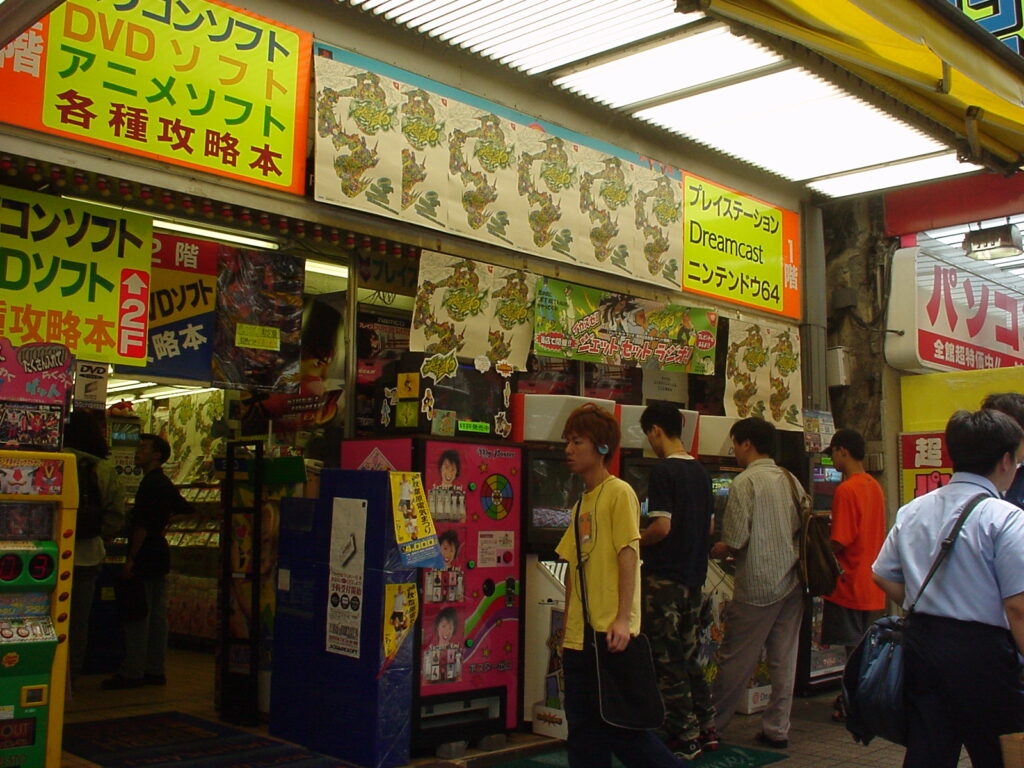
What especially stands out is how many pictures Williamson took of everyday game culture in Japan. While trawling the streets of the Akihabara neighborhood in Tokyo, he took photos of street kiosks, billboards, and game stores. He also visited arcades like Sega’s Kyoto Joypolis, and what he described as “a Pokemon kids’ exhibit of questionable quality somewhere in Osaka.”
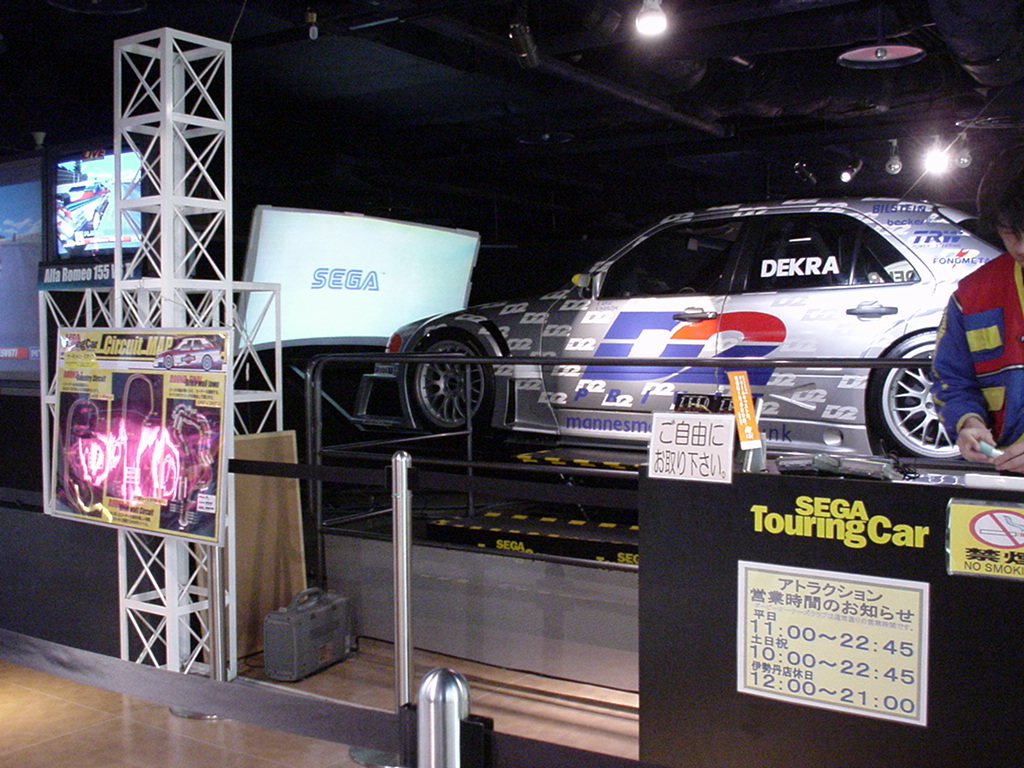
Nearly 30 years after they were taken, these photographs are an exciting document of the state of video games in Japan at the turn of the millennium. Where else can you find pictures of Space Channel 5 producer Tetsuya Mizuguchi taking on celebrities in a score competition? Or a glimpse inside the Sega Freaks merchandise store? How about a rare arcade installation of Sega Touring Car Championship that used an entire full-sized car?
To share more, Colin Williamson stopped by our podcast, the Video Game History Hour, to reflect on his career and give us a tour of his photography. For our Patreon members, we went extra-long with a bonus podcast episode digging even deeper into his collection.
Just in these episodes alone, we found new details in his photos that neither of us had noticed before! We can’t wait to see what else researchers will discover in these galleries.
Even better: Williamson has given his permission to allow researchers to reproduce these photos for educational purposes. If you want to write a video or blog post about this era of Japanese game history, you can use these photos with credit to Colin Williamson and the Video Game History Foundation.